
Minipix
A photo manipulation tool

Four years ago I had the idea to use p5.js to manipulate images. At the time I was interested in mosaics and the collage process—splitting and combining pieces of photos into something new. I spent the night coding and by 3am had a finished product.
Then I put the project on the shelf. I thought about it on and off and experimented with variations within my practice, but never revisited the original. When I came across Chelsi Cocking’s Photorythms a few years ago, I decided to archive the project for good. Here was an artist exploring the same territory at a higher fidelity and with much more polish than I was capable of. I was happy this work existed and made sure to mention it to her when we met in Atlanta this fall at Book+Zine.
But a few weeks ago the itch returned. I was looking at Nano Banana and felt this growing urge—questions pinging my brain around computational images and creativity. I don’t think AI-generated art is itself art, but I do think computers can enable creativity. I wanted to figure out where that line was, so I found my old notes and began sketching again.
The result is Minipix, a computational image manipulation tool. Instead of a textbox that can generate anything, the UI is an endless scroll presenting outputs from the system’s internal algorithms. At launch there are six of them.
This work reminds me of a passage in To See Takes Time, where the author is describing a series of O’Keeffe’s drawing and notes that she was interested in documenting the same subject as a way to capture it from all angles and perspectives. That’s what I hope to accomplish with this tool: create variability and emergence through the act of rearranging the pixels of the same photo.
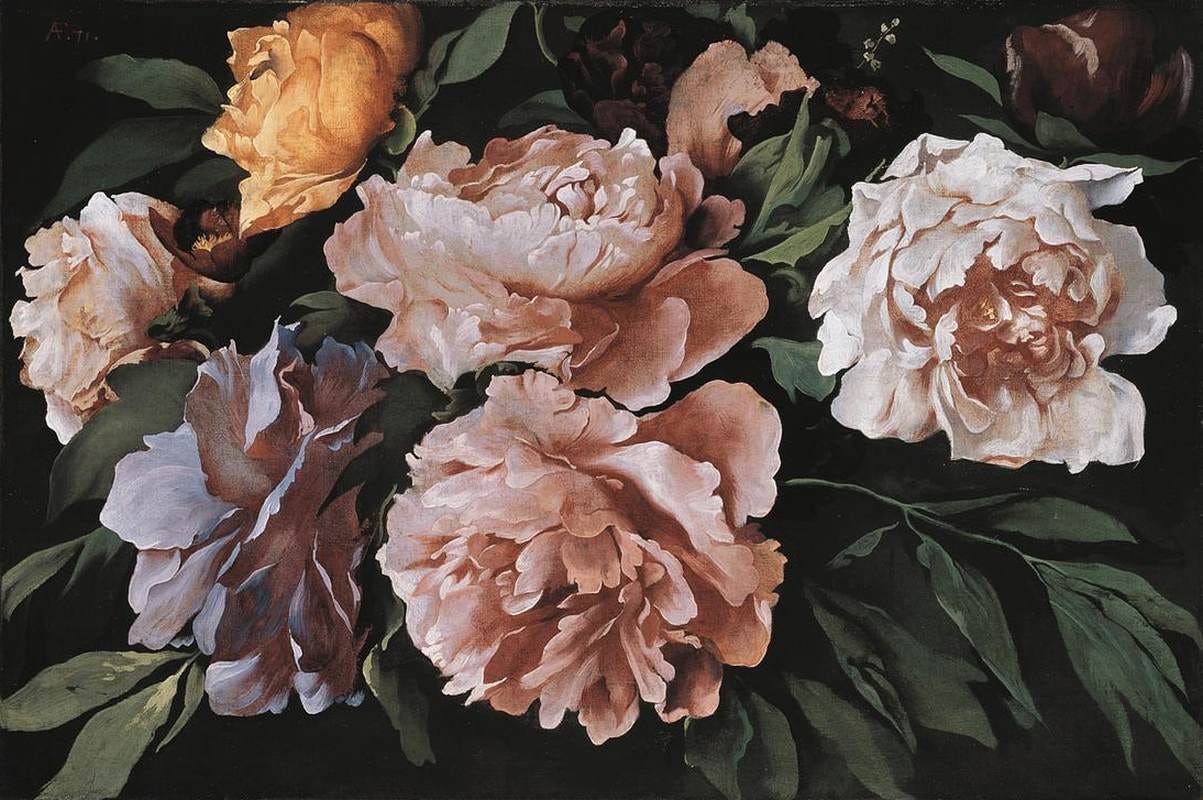
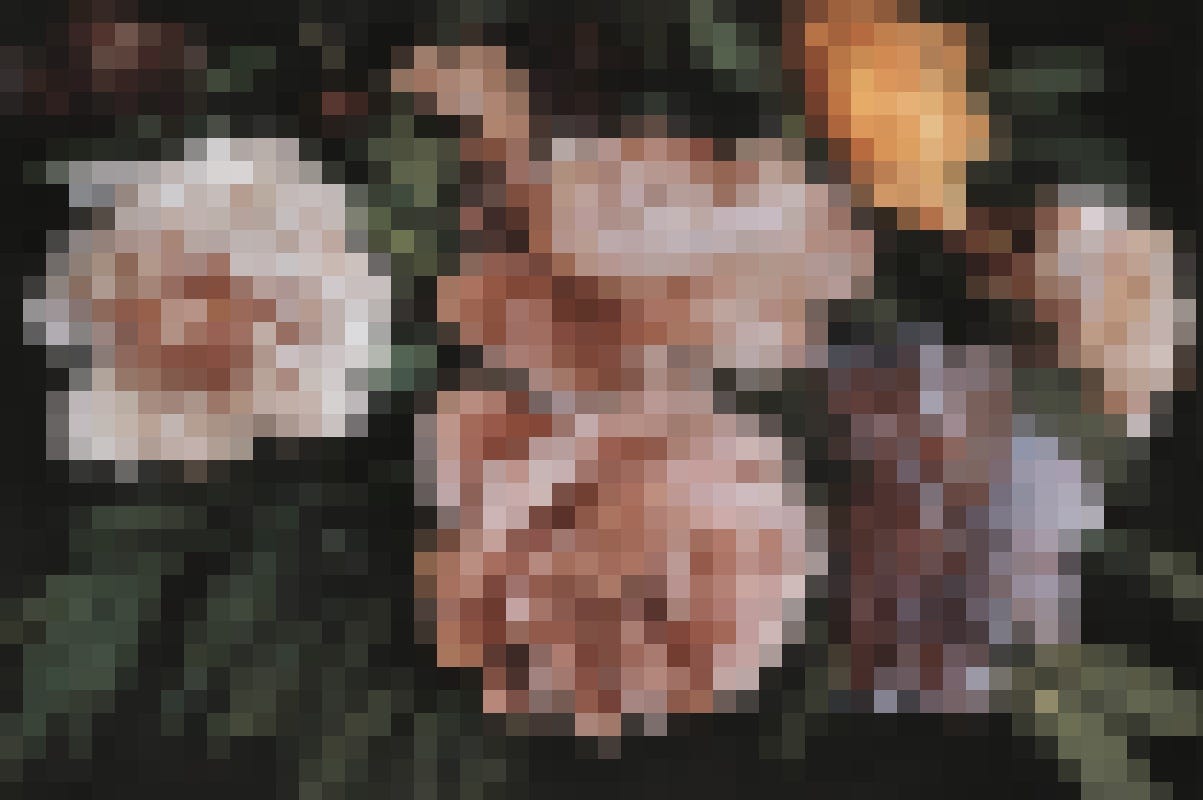
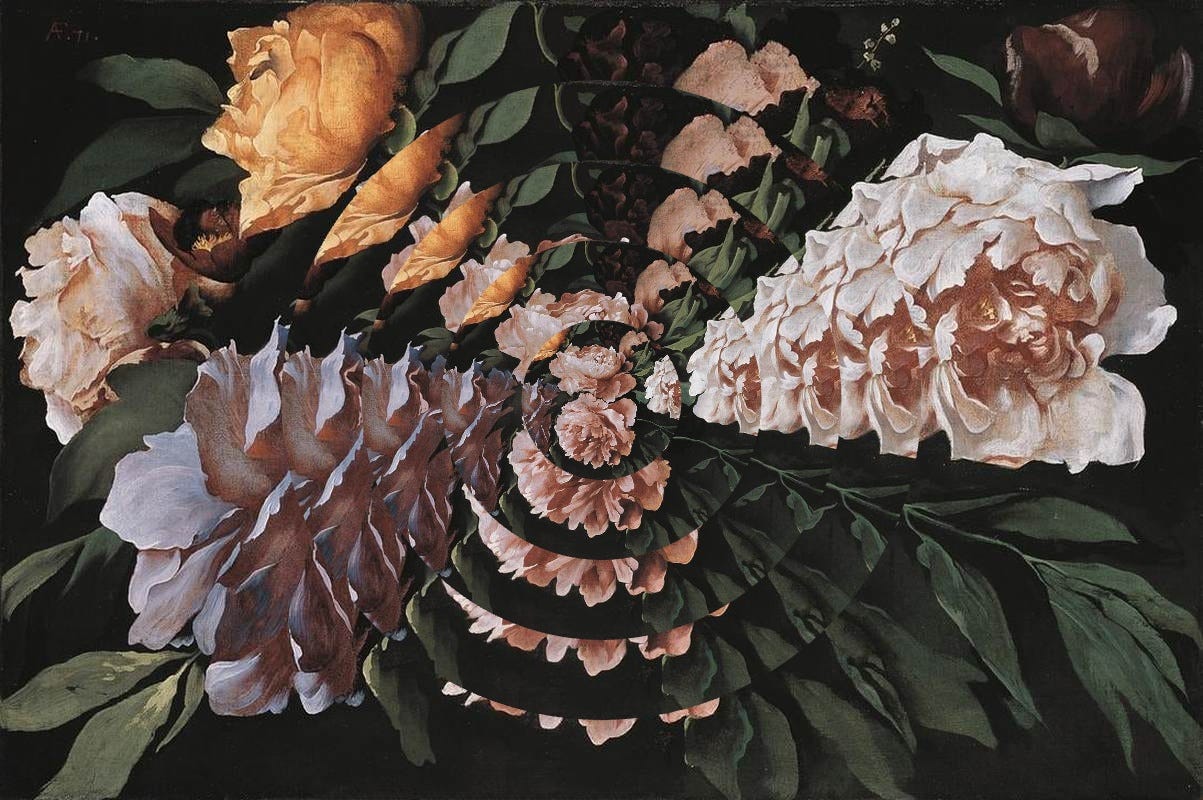
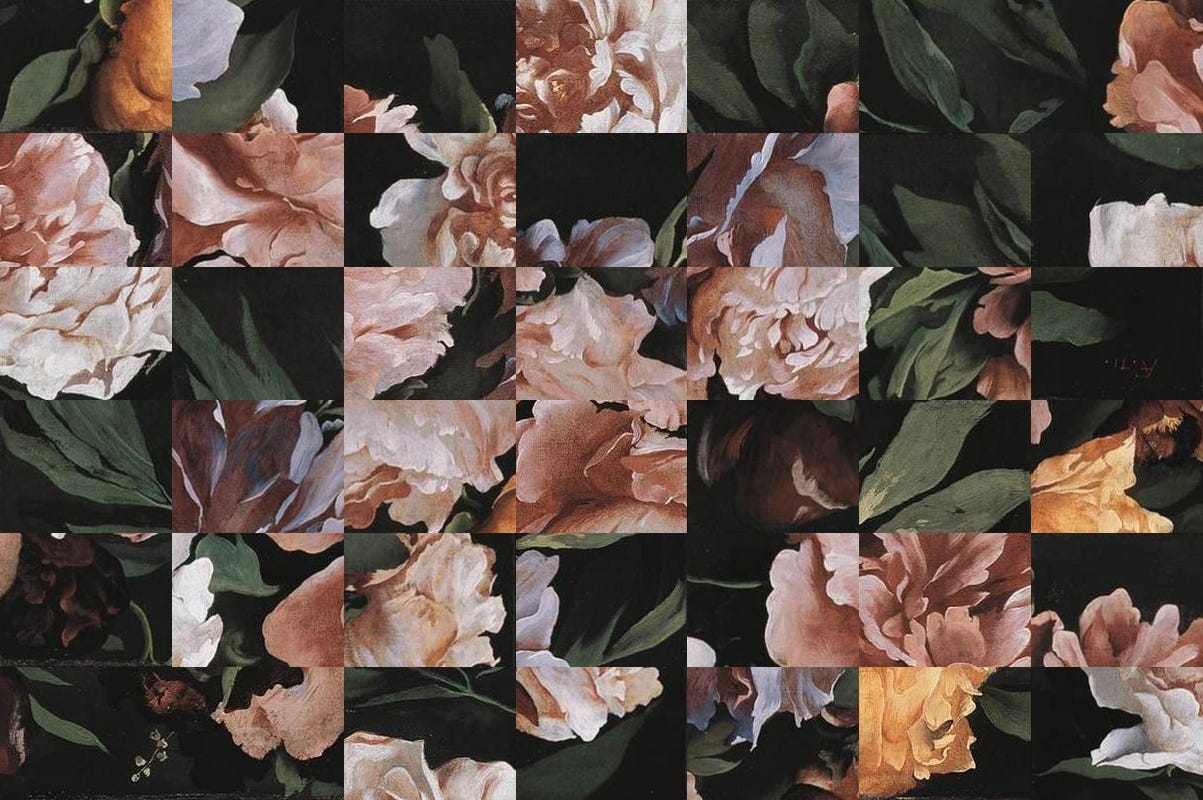
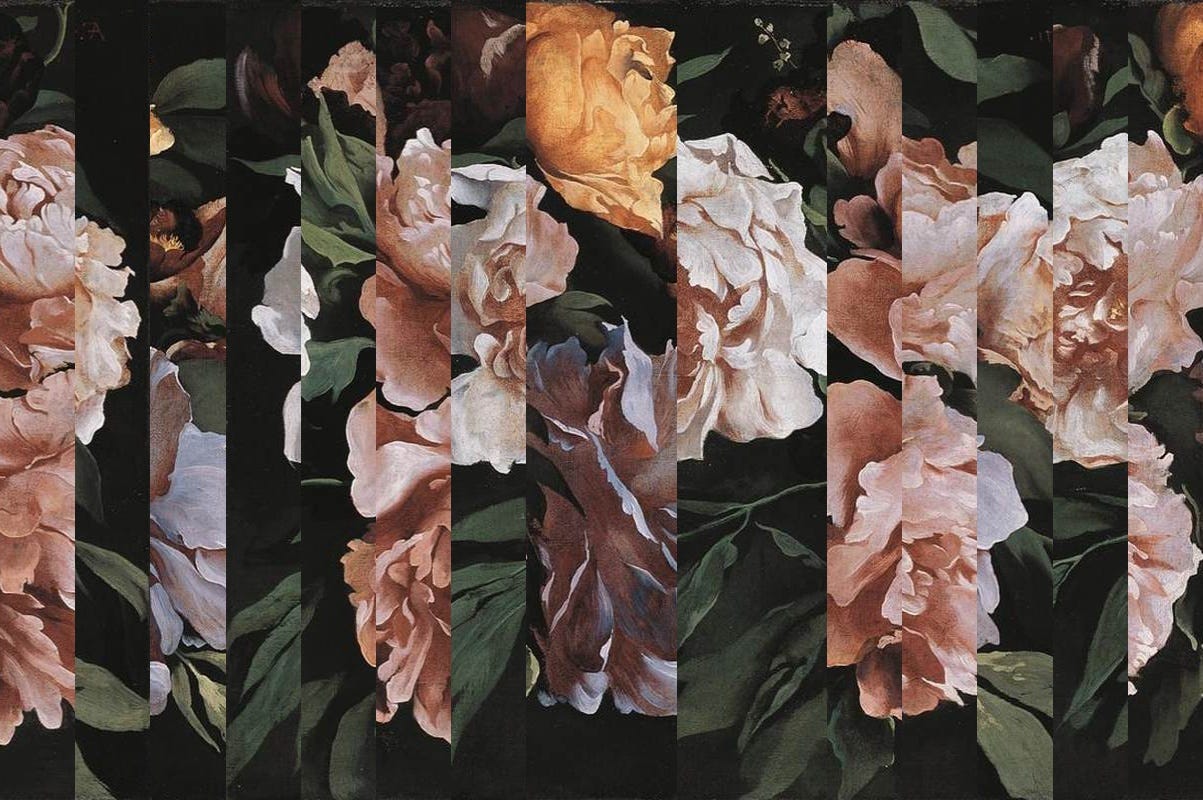
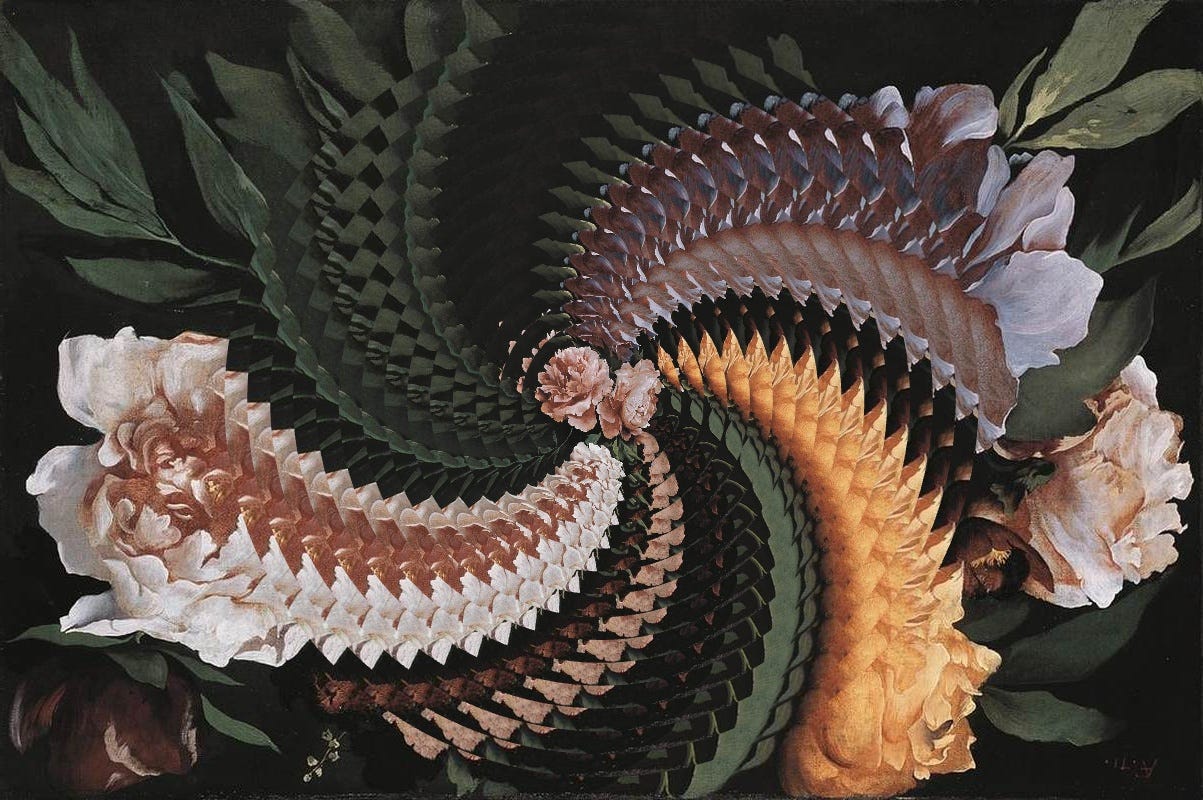
Here are some sample outputs using Anselm Feuerbach’s Peonies:

-Mello
P.S. - The tool is named after my lil black cat Mini 🐈⬛.